Small business admin
Stop Losing Your Evenings to Quotes: How a Custom Web App Cuts Small Business Admin
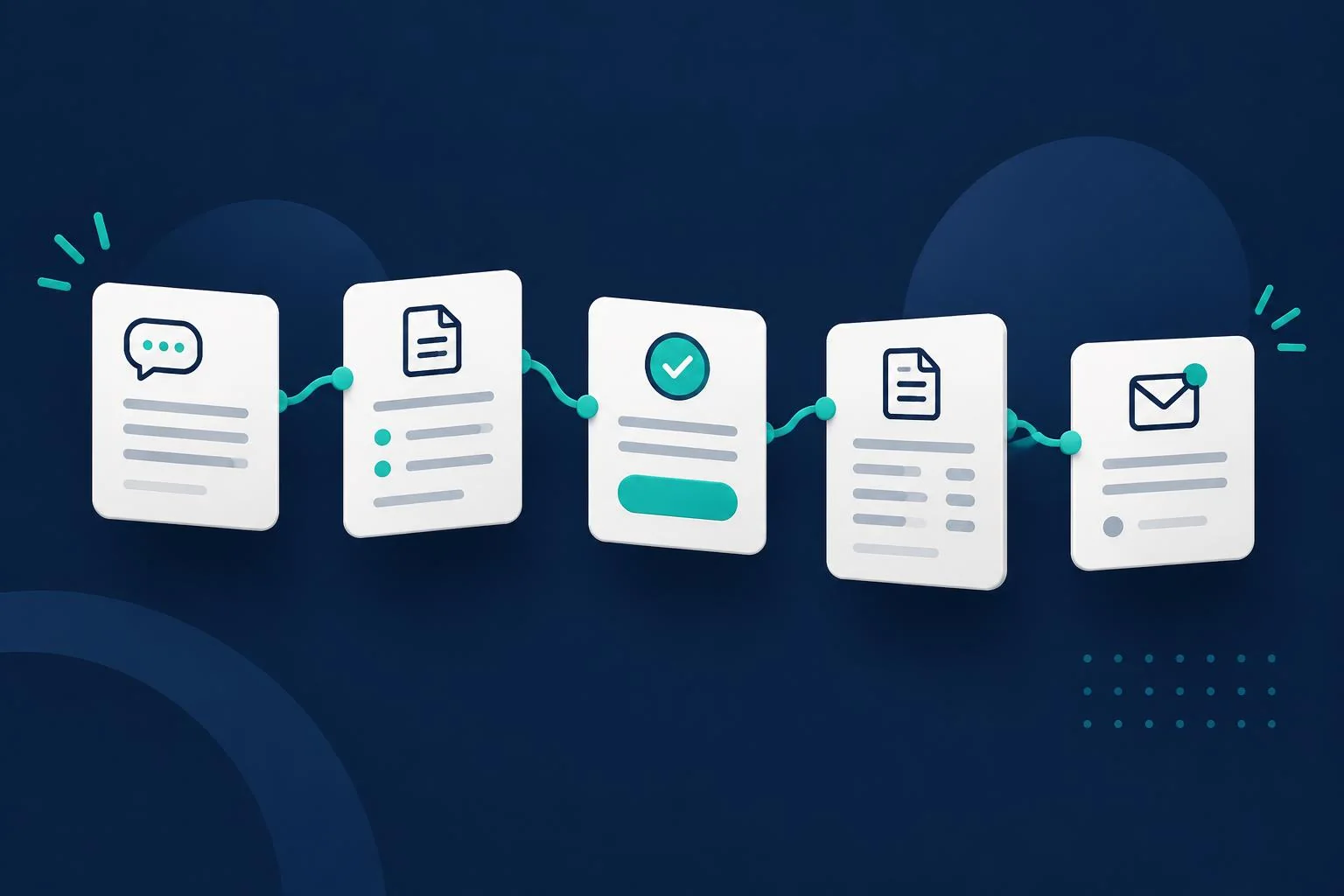
If you run a small business, you probably know the feeling: the working day is done, but the quotes are not. Details get typed into a template, copied into an email, then typed again into an invoice. A follow-up gets forgotten. A spreadsheet that once felt tidy now takes a map to navigate.
This everyday friction can take time away from small teams each week. A well-built web app for small business can reduce some of that work by fitting around the way you already operate. This guide explains what that looks like, how to spot when it may be worth considering, and how to get started without taking on too much at once.
The hidden cost of manual quoting and invoicing
Manual admin rarely looks expensive because it is spread across lots of small moments. Together, though, four problems often show up for service businesses:
- Manual quoting: building each quote from scratch, often after hours.
- Repetitive data entry: typing the same customer details into several places.
- Slow follow-ups: leads and unpaid invoices slipping through the cracks.
- Disconnected tools: email, spreadsheets and apps that do not share information.
Signs your spreadsheet has had its day
Spreadsheets are a great starting point, and they remain useful for many businesses. But if any of these situations sound familiar, it may be worth reviewing how you manage your work:
- You are not sure which quotes are still waiting for a reply.
- You or your staff re-enter the same details again and again.
- Only one person really understands how the spreadsheet works.
- Customers keep asking for updates because they cannot easily see progress.
- Off-the-shelf software forces you into awkward workarounds.
What a custom web app can actually do
A custom web app is a browser-based tool built around your process. Your team can use it on a computer, tablet or phone. For a service business, that could include some or all of the following:
Quote-to-invoice workflows
A joined-up quoting and invoicing workflow can take a job from customer request to quote, approval, invoice and follow-up with fewer manual steps. It can also make it clearer what is waiting and who needs to act next.
Helpful reminders
Where suitable, email or SMS reminders for quotes, unpaid invoices and appointments can help prevent missed follow-ups. They can also keep customer communication consistent, whoever happens to be handling the work that day.
One place for jobs and customers
Instead of scattered spreadsheets, a central job management system can give your team one place to record, search and update customer jobs. Notes, statuses and a simple dashboard can make the current workload easier to understand.
Customer portals and connected tools
Where it would genuinely help, a simple portal can let customers see progress without phoning you. A web app may also connect booking, accounts and email tools, reducing the need to enter the same information more than once.
Custom web app or off-the-shelf software?
Off-the-shelf quoting and invoicing software can be a sensible choice when your process is fairly standard. There is no reason to commission something bespoke if an existing product already does what you need.
A custom build may be worth considering when:
- Your workflow has steps that generic software does not support.
- You are paying for features you never use.
- Your team keeps working around the software instead of with it.
- You want one tool that matches your own jobs, statuses and wording.
The right answer depends on your business, and a good provider should be honest if you do not need anything bespoke. You can read about Webjobby's website and web app services, or see the available options on our Plans & Pricing page.
Does your business website need to work harder too?
A business website should do more than exist. It should explain what you offer clearly, work well on a phone and make it easy for the right customers to get in touch. If your current site is out of date or difficult to use, improving it could help visitors understand your services and give them one clear place to enquire.
For local trades and service firms, it helps to name the services you offer and the areas you cover in plain language. That gives potential customers useful information and helps search engines understand your pages. A clear contact page can then bring enquiries into one place rather than scattering them across emails, calls and messages.
How to get started without the overwhelm
The best projects start small. A sensible approach looks like this:
- Discover: talk through how your business runs today and where time is being lost.
- Plan: agree a clear scope, priorities and a sensible first version, in plain language.
- Build: design and build in small stages, sharing progress so you can give feedback early.
- Improve: once it is live, refine it based on real use as your business changes.
Starting with the one problem that costs you the most time keeps the first version focused. You can read more about this approach on our How We Work page.
Common questions